 Katrina Griffiths
Senior editor
Published on: October 22, 2026
Progressive jackpots: how they build and what they cost you
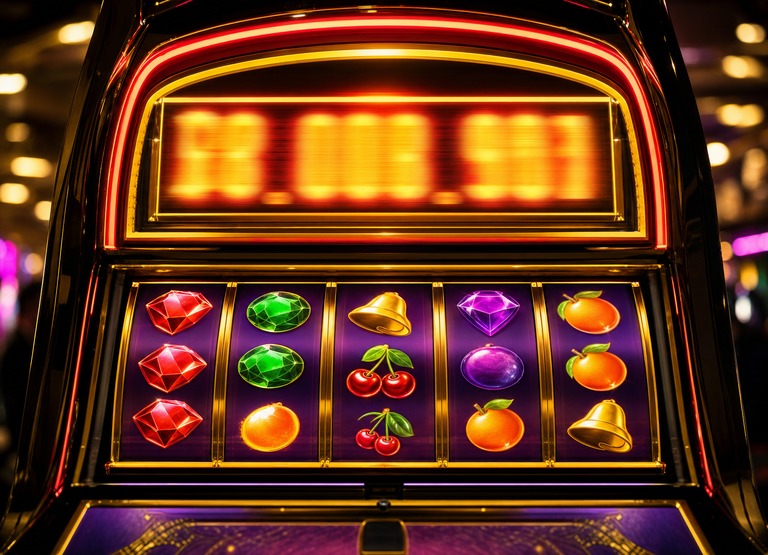
A progressive jackpot is a top prize that grows with every bet placed on it until someone wins it, then resets to a starting amount. Players fund that growth: a small slice of each bet goes into the jackpot pool instead of the base game.
A jackpot slot usually pays back less on ordinary spins than a standard slot, and you only get that money back if you hit the jackpot yourself.
How a progressive jackpot builds
A progressive jackpot moves through four stages:
- The seed: The jackpot starts at a fixed reset amount, usually funded by the game provider or the operator.
- The contribution: A set percentage of every bet (the slice) on the linked games is added to the pool.
- The win: A player triggers the jackpot, usually through a random event or a bonus game.
- The reset: The jackpot drops back to its seed and starts growing again.
The game’s paytable shows what triggers the jackpot and, on many games, how the RTP is split. Every game must explain how its progressive jackpot works, and the jackpot display must update after a reset.
Standalone, local and network jackpots
Progressives differ in how many games feed the pool:
- Standalone: One game feeds its own jackpot.
- Local: Several games at the same casino feed one shared jackpot.
- Network: The same game at many casinos feeds one pool, which is why network jackpots grow the largest.
Must-drop jackpots must pay out by a set time or amount, and they use a separate math model.
Why jackpot slots pay back less on ordinary spins
A jackpot slot’s return to player (RTP) has two parts: the base game RTP, which covers every win except the jackpot, and the jackpot contribution. The figure a game publishes is usually the total of both.
| Illustrative figures | Standard slot | Jackpot slot |
|---|---|---|
| Total RTP | 96% | 94% |
| Jackpot contribution | 0% | 4% |
| Base game RTP | 96% | 90% |
| Average cost per $100 if you never hit the jackpot | $4 | $10 |
These figures illustrate the split and don’t describe a specific game. For a real example, Mega Moolah, the best-known network progressive, is commonly listed with a base game RTP of 88.12%.
Most players never hit the jackpot, so you’ll likely experience the base game RTP. In the example above, the jackpot slot costs $10 per $100 wagered against $4 on the standard slot, and the extra $6 is effectively your ticket for the jackpot draw.
To estimate what ordinary spins cost you, multiply the total you wager by what the base game keeps (100% minus its RTP).
Your odds of winning the jackpot
Odds depend on the game, but the pool’s math shows the scale. If 2% of every bet feeds a jackpot that pays out about $2 million on average, the linked games have to take in roughly $100 million in bets for each win.
Two things don’t change your odds:
- The jackpot’s size: A bigger jackpot pays more but is no more likely to hit. It raises the game’s RTP while it lasts because the same odds now carry a bigger prize.
- Time since the last win: Every spin is independent, so a jackpot is never “due”. Alberta’s standards don’t allow game information to describe results as due or overdue, and this myth is one of the most common.
Your stake can change them. On many progressives, your chance of triggering the jackpot rises with your bet size, and some games pay the top prize only at the maximum bet. Read the game rules before assuming you can win on a minimum bet.
Volatility: long dry runs between wins
Because so much of the return is held back for one rare prize, jackpot slots are high-volatility games. Expect longer losing runs in the base game than on a standard slot, and budget for those runs rather than the jackpot. How online slots work explains what volatility does to a session, and GameSense covers how slot outcomes are decided.
Progressive jackpots on Alberta sites
You’ll find progressive slots in almost every Alberta slot lobby, from Play Alberta to the AGLC-registered private sites. Each one has passed testing by an accredited lab before it’s allowed on a registered site.
If you play for the jackpot, decide what it’s worth to you before you start. Put a spending or session limit in place and think of the contribution as the price of a long-shot draw.
Progressive jackpot FAQ
Is a progressive jackpot more likely to hit when it’s big?
No. The trigger odds stay the same, no matter the jackpot size or how long it’s been since the last win. A bigger jackpot only changes how much a win pays.
Are progressive jackpot slots worth playing?
They cost more per spin than standard slots because part of every bet funds the jackpot. They’re worth it only if a shot at a very large prize matters more to you than a longer session on the same budget.
Do you pay tax on a jackpot win in Canada?
Not usually. For recreational players, the Canada Revenue Agency treats gambling winnings as windfalls, not taxable income, including jackpots.
Conclusion
Players who don’t win fund a progressive jackpot. Check the base game RTP in the game info, compare it with a standard slot, and decide whether the jackpot is worth the difference. Set a budget before you spin, and treat what you spend as entertainment, not an investment.
You must be at least 18 to gamble online in Alberta. If gambling is causing problems for you or someone you know, call the Alberta Health Services Addiction Helpline anytime at 1-866-332-2322. GameSense also offers free tools and access to advisors.